
Departments
Computer Science & Engineering

The Department of Computer Science & Engineering is a leading department of Ashoka Institute of Technology and Management, Varanasi. It was established in February 22, 2010 located at heart of the holy city Varanasi and approved by AICTE, PCI, MHRD certified and affiliated to Dr. A. P. J. Abdul Kalam Technical University, Lucknow, Uttar Pradesh. The department is driven by a strategic vision to contribute to the thriving industries like software development, artificial intelligence, cyber security, data analytics, addressing the increasing demand for adept engineers having expertise in distinct domains on a global scale. During the ensuing years, notably within the transformative past decade marked by significant advancements in both hardware and software realms of IT.
The degree program extends over four years with two semesters each year. The initial year is common for all disciplines, covering fundamental courses. From second year onwards such as Discrete Structures, Data Structures, Digital Logic, Microprocessors, Operating Systems, Databases, Software Engineering, Computer Networks, Automata, Computer Architecture, Algorithms, Embedded Systems, and more. Students also present seminars on topics aligned with their interests and engage in collaborative mini/major projects. The Computer Science and Engineering Department is dedicated to advancing the tech frontier, ensuring top-notch education, and fostering a positive impact on society and the nation.
Vision & Mission

Vision of Department
To become an institute of International Standards with human values through continuous improvement with the help of our dedicated faculty & supporting administration

Mission of Department
To impart world class education in engineering, technology, pharmacy and management, to enhance research and development, encourage creativity, promote innovation, build leadership, entrepreneurship, nurture team work and delight all the stakeholders.
PROGRAM SPECIFIC OUTCOMES (PSO)
PSO1: Ability to apply knowledge of mathematics, science, and technology to solve problems in the area of computer science engineering and allied areas.
PSO2: Ability to use coding skills, modern engineering tools, techniques and methodologies to design develop and maintain software and hardware system.
PSO3: Ability to understand and apply ethical principles and social responsibilities in the practice of computer science and engineering.
Program Educational Objectives (PEO)
PEO 1: Enable graduates to be successful in their chosen careers, by applying their continual learning of Computer Science and Engineering in their profession and life situations.
PEO 2: Enable graduates of the program to continue to adopt latest technologies and be critical learners displaying creativity and demonstrating to be leaders.
PEO 3: Prepare graduates of the program to be innovative product engineers catering to the requirements of the enterprises and society.
PROGRAM OUTCOMES (PO)
PO1: Engineering Knowledge: Apply knowledge of mathematics, natural science, computing, engineering fundamentals and an engineering specialization as specified in WK1 to WK4 respectively to develop to the solution of complex engineering problems.
PO2: Problem Analysis: Identify, formulate, review research literature and analyze complex engineering problems reaching substantiated conclusions with consideration for sustainable development. (WK1 to WK4)
PO3: Design/Development of Solutions: Design creative solutions for complex engineering problems and design/develop systems/components/processes to meet identified needs with consideration for the public health and safety, whole-life cost, net zero carbon, culture, society and environment as required. (WK5)
PO4: Conduct Investigations of Complex Problems: Conduct investigations of complex engineering problems using research-based knowledge including design of experiments, modelling, analysis & interpretation of data to provide valid conclusions. (WK8).
PO5: Engineering Tool Usage: Create, select and apply appropriate techniques, resources and modern engineering & IT tools, including prediction and modelling recognizing their limitations to solve complex engineering problems. (WK2 and WK6)
PO6: The Engineer and The World: Analyze and evaluate societal and environmental aspects while solving complex engineering problems for its impact on sustainability with reference to economy, health, safety, legal framework, culture and environment. (WK1, WK5, and WK7).
PO7: Ethics: Apply ethical principles and commit to professional ethics, human values, diversity and inclusion; adhere to national & international laws. (WK9)
PO8: Individual and Collaborative Team work: Function effectively as an individual, and as a member or leader in diverse/multi-disciplinary teams.
PO9: Communication: Communicate effectively and inclusively within the engineering community and society at large, such as being able to comprehend and write effective reports and design documentation, make effective presentations considering cultural, language, and learning differences
PO10: Project Management and Finance: Apply knowledge and understanding of engineering management principles and economic decision-making and apply these to one’s own work, as a member and leader in a team, and to manage projects and in multidisciplinary environments.
PO11: Life-Long Learning: Recognize the need for, and have the preparation and ability for i) independent and life-long learning ii) adaptability to new and emerging technologies and iii) critical thinking in the broadest context of technological change. (WK8)
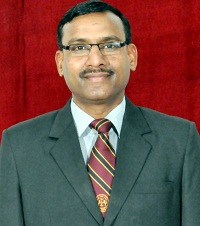
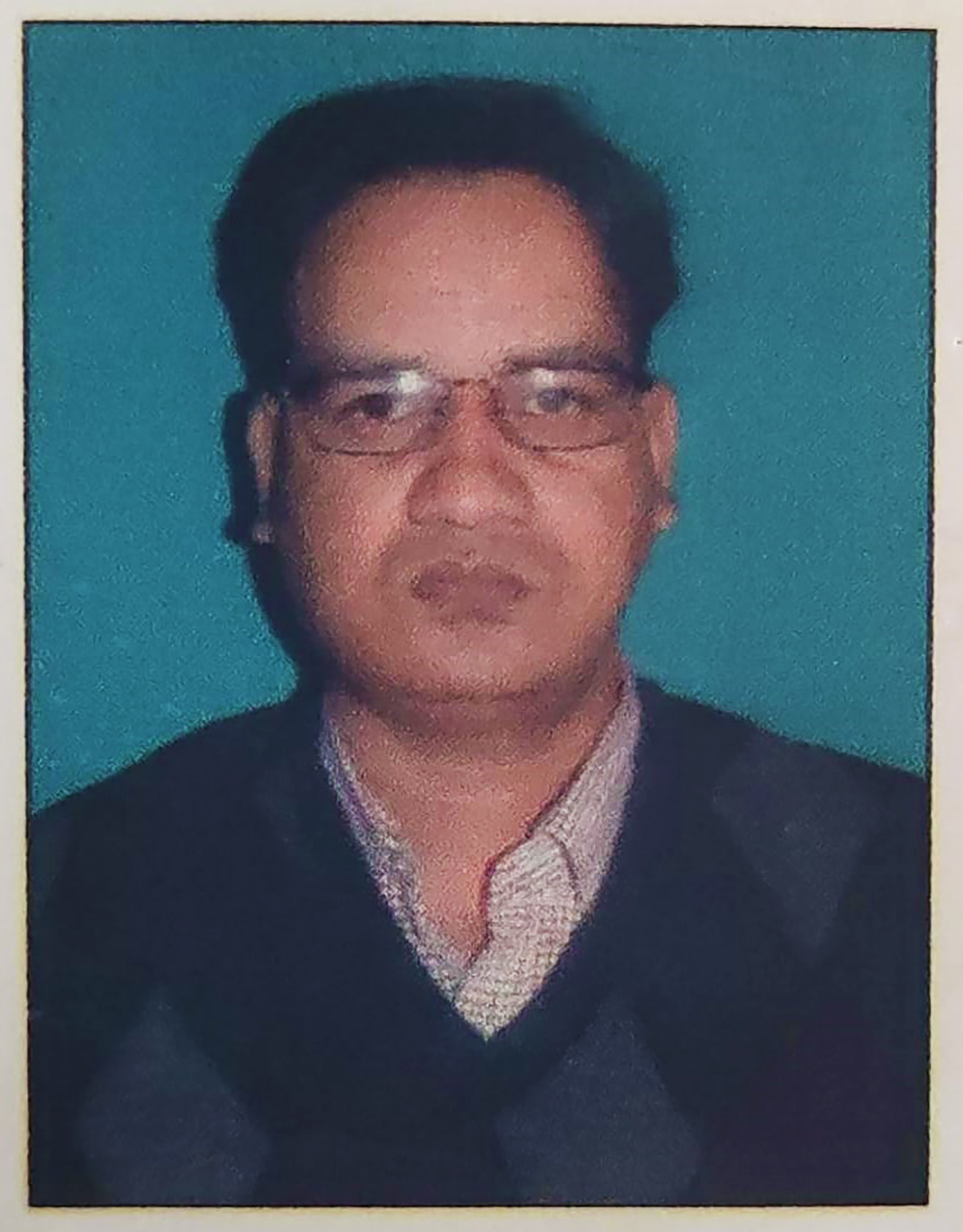
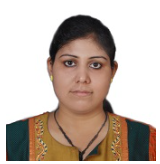
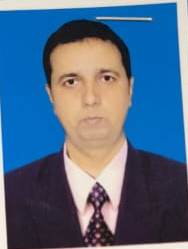
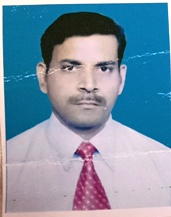
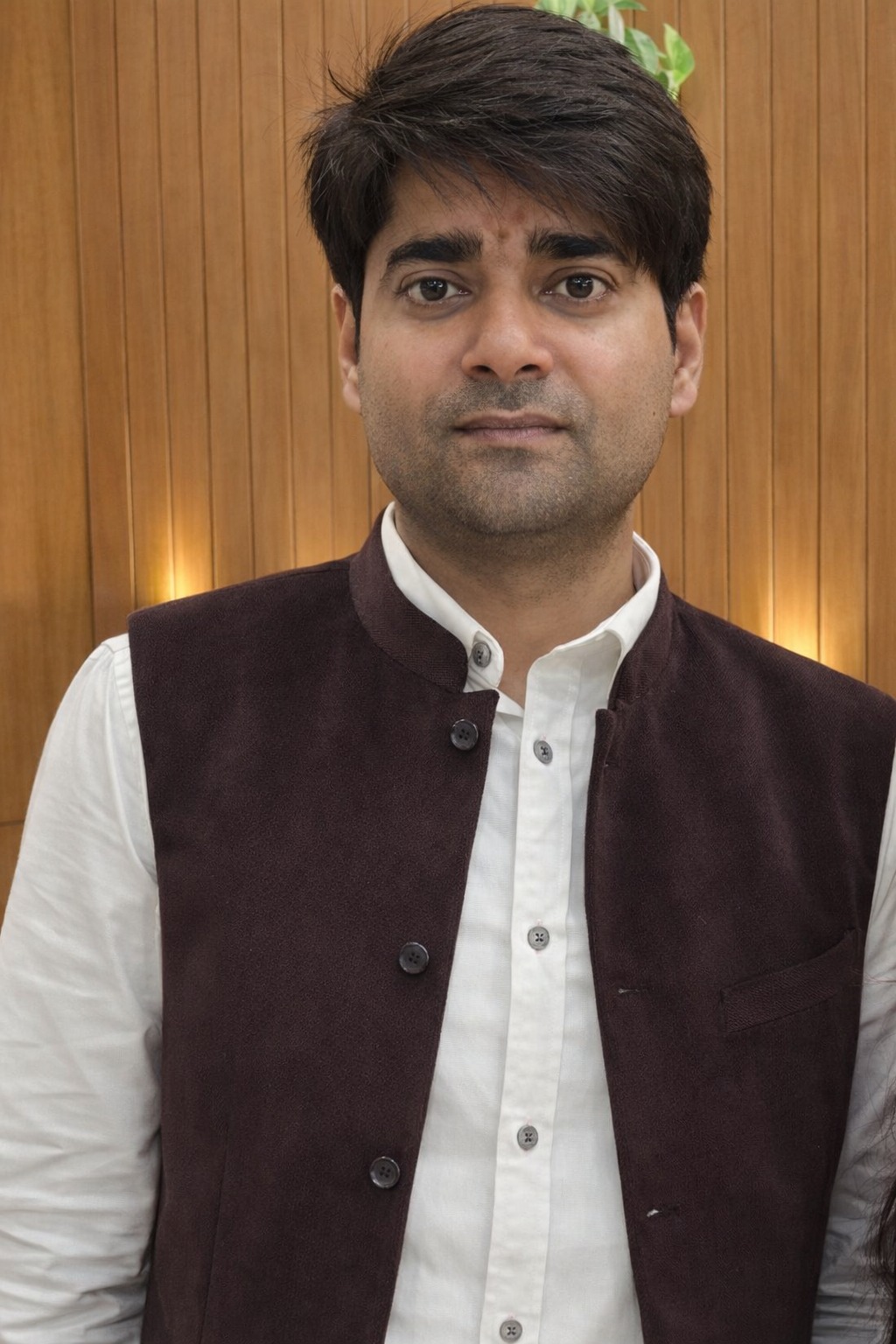
Faculty Members

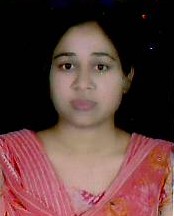
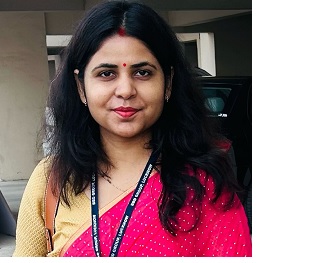
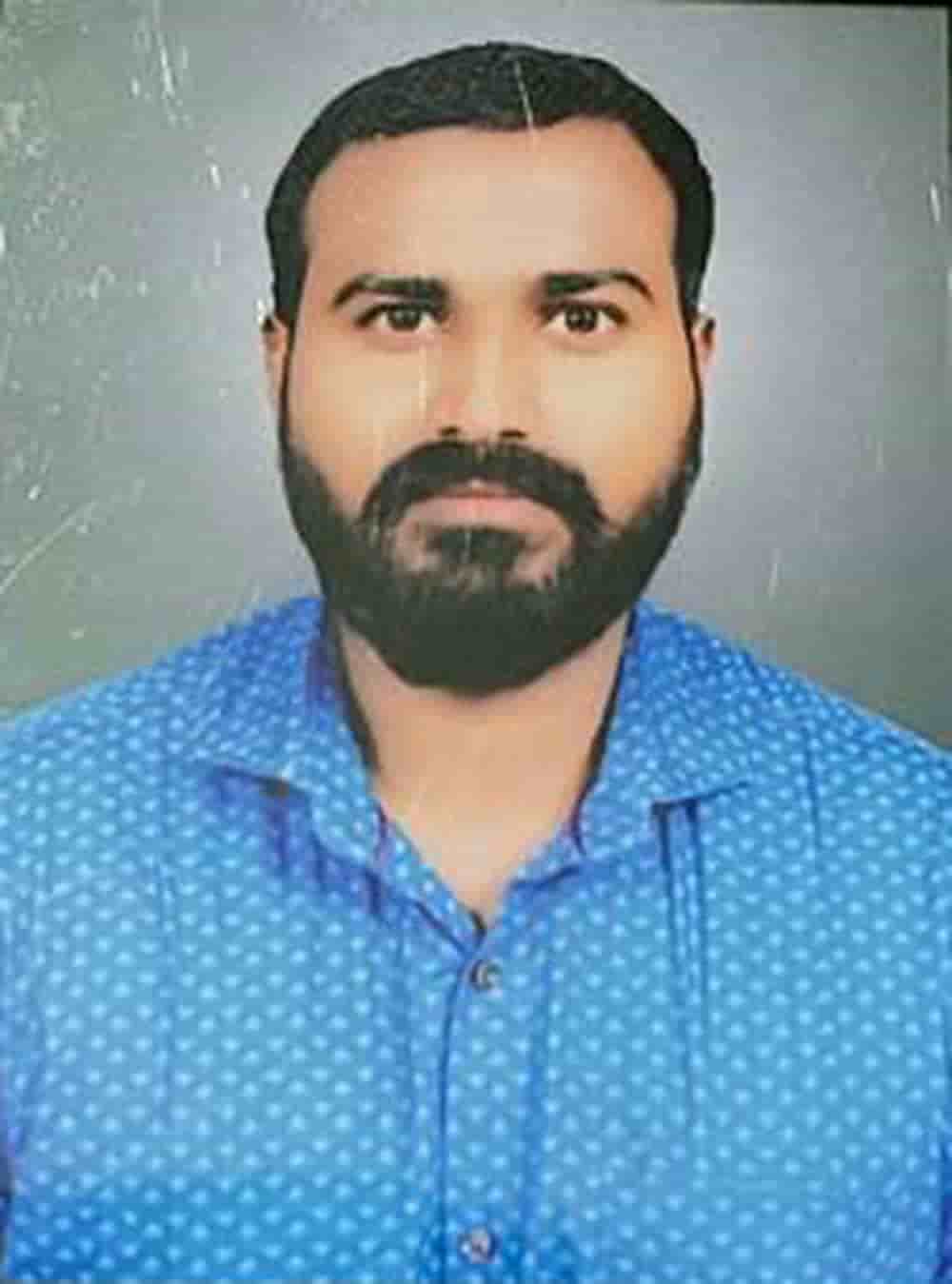
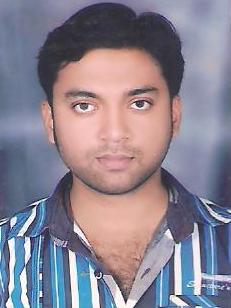


| Sr. No | Title | View | Download |
|---|---|---|---|
| 1. | Notice for synopsis_2024 | View | Download |
| 2. | Notice for presentation | View | Download |
| 3. | Notice for presentation2 | View | Download |
| 4. | Notice for synopsis odd | View | Download |
| 5. | Notice for project presentation even | View | Download |
| 6. | B.Tech 4th Year Practical Exam Schedule | View | Download |
| 7. | Notice for presentation odd1 | View | Download |
| 8. | Notice for 2 project presentation even | View | Download |
| 9. | CSE B.Tech 3rd Year Practical Assessment | View | Download |
| 10. | B.Tech 2nd Year Practical Exam Schedule | View | Download |
| 11. | B.Tech 3rd Year Practical Exam Schedule | View | Download |
| 12. | Notice for Project Presentation on 19-2-2026 | View | Download |
| 13. | Notice for Workshop 11-3-2026 | View | Download |
| Sr. No | Title | View | Download |
|---|---|---|---|
| 1 | BCS503_DAA_Handwritten_notes | View | Download |
| 2 | BCS301_DS | View | Download |
| 3 | BIG DATA ANALYTICS | View | Download |
| 4 | BCS303_DSTL | View | Download |
| 5 | BCS_302_COA | View | Download |
| 6 | BCS056_SOFT COMPUTING | View | Download |
| 7 | C Praogramming | View | Download |
| 8 | BCS502_Web Technology | View | Download |
| 9 | BCS_054_OODesign with system C++ | View | Download |
| 10 | BCS503_DAA | View | Download |