
Departments
About Department of Humanities and Applied Science

The department has been established to inculcate and promote an inquisitive thinking towards humanities and Applied sciences and its applicability in various interdisciplinary subjects amongst the young minds of today and tomorrow.
Department of Humanities and Applied Science participates in B.Tech. & B.Pharm. by offering courses in Applied Mathematics, Applied Physics, Applied Chemistry, and Professional Communication, Soft skill, Human values & Technical Communication, With an orientation of interdisciplinary learning, . All academic programs emphasize the integration of theoretical knowledge with practical applications, the department promotes practical aspects of Humanities and Applied Science to build a solid foundation as part of the engineering education taught by individual faculties, who are highly qualified and professionally competent in their respective fields, the courses focus on promoting the applications of scientific knowledge, strengthening the conceptualized frameworks, lay strong foundation, imbibing core essentials, and bring forward comfort in communication. The department provides well-equipped laboratories to students in the field of Physics, Chemistry and Language for their practical training and skill development.
Vision & Mission

Vision of Department
To become an institute of International Standards with human values through continuous improvement with the help of our dedicated faculty & supporting administration

Mission of Department
To impart world class education in engineering, technology, pharmacy and management, to enhance research and development, encourage creativity, promote innovation, build leadership, entrepreneurship, nurture team work and delight all the stakeholders.
Programme outcomes (PO)
PO1: Engineering Knowledge: Apply knowledge of mathematics, natural science, computing, engineering fundamentals and an engineering specialization as specified in WK1 to WK4 respectively to develop to the solution of complex engineering problems.
PO2: Problem Analysis: Identify, formulate, review research literature and analyze complex engineering problems reaching substantiated conclusions with consideration for sustainable development. (WK1 to WK4)
PO3: Design/Development of Solutions: Design creative solutions for complex engineering problems and design/develop systems/components/processes to meet identified needs with consideration for the public health and safety, whole-life cost, net zero carbon, culture, society and environment as required. (WK5)
PO4: Conduct Investigations of Complex Problems: Conduct investigations of complex engineering problems using research-based knowledge including design of experiments, modelling, analysis & interpretation of data to provide valid conclusions. (WK8).
PO5: Engineering Tool Usage: Create, select and apply appropriate techniques, resources and modern engineering & IT tools, including prediction and modelling recognizing their limitations to solve complex engineering problems. (WK2 and WK6)
PO6: The Engineer and The World: Analyze and evaluate societal and environmental aspects while solving complex engineering problems for its impact on sustainability with reference to economy, health, safety, legal framework, culture and environment. (WK1, WK5, and WK7).
PO7: Ethics: Apply ethical principles and commit to professional ethics, human values, diversity and inclusion; adhere to national & international laws. (WK9)
PO8: Individual and Collaborative Team work: Function effectively as an individual, and as a member or leader in diverse/multi-disciplinary teams.
PO9: Communication: Communicate effectively and inclusively within the engineering community and society at large, such as being able to comprehend and write effective reports and design documentation, make effective presentations considering cultural, language, and learning differences
PO10: Project Management and Finance: Apply knowledge and understanding of engineering management principles and economic decision-making and apply these to one’s own work, as a member and leader in a team, and to manage projects and in multidisciplinary environments.
PO11: Life-Long Learning: Recognize the need for, and have the preparation and ability for i) independent and life-long learning ii) adaptability to new and emerging technologies and iii) critical thinking in the broadest context of technological change. (WK8)
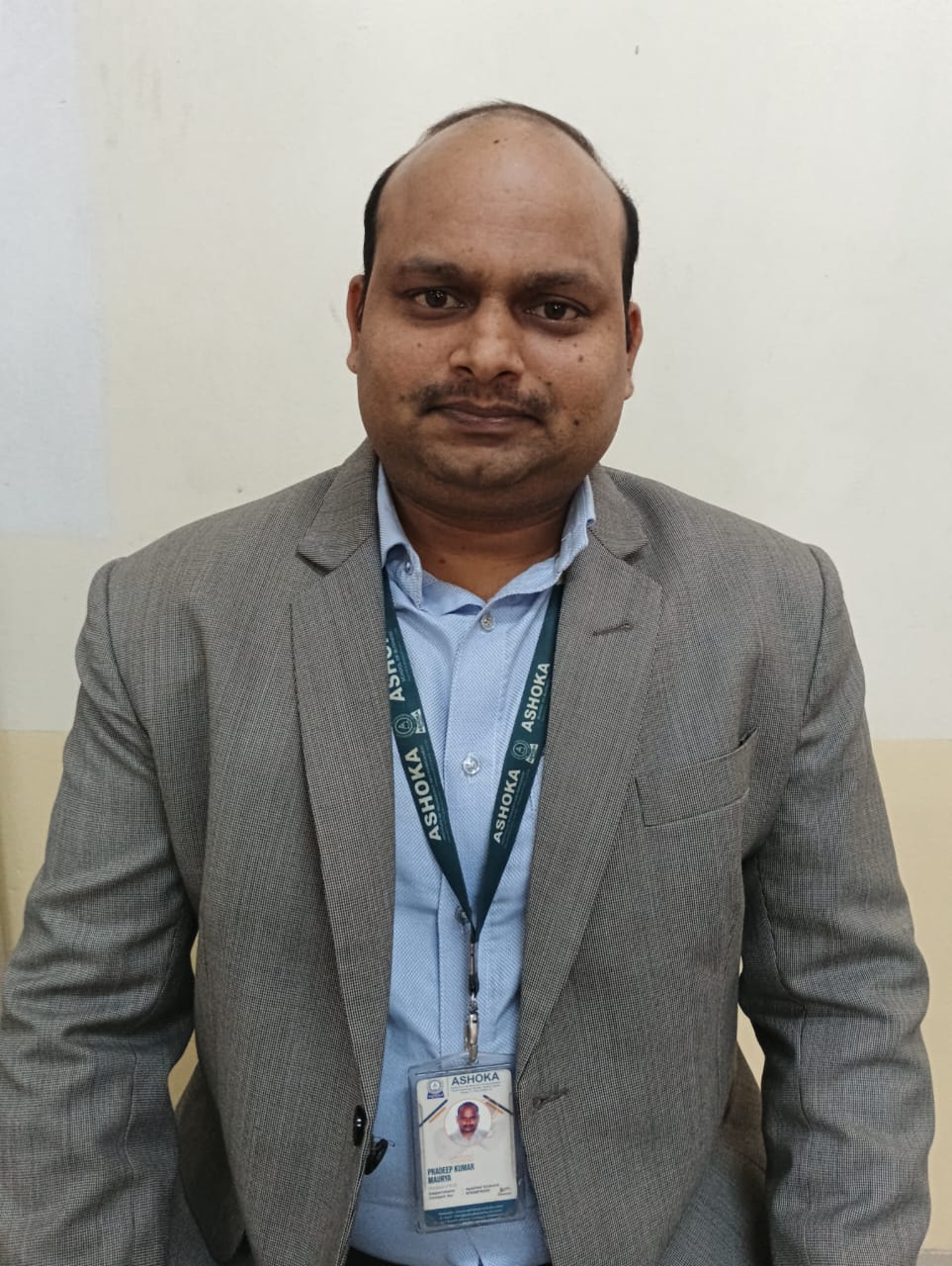
Faculty Members
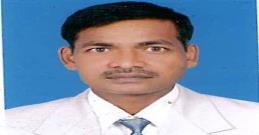
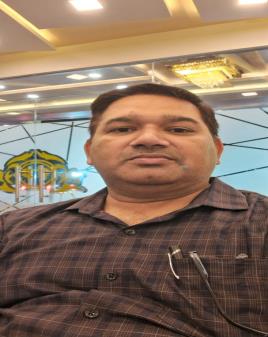
.jpg)
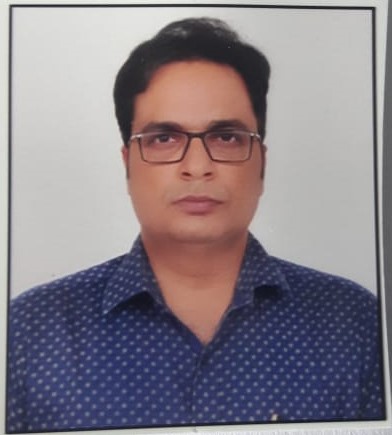

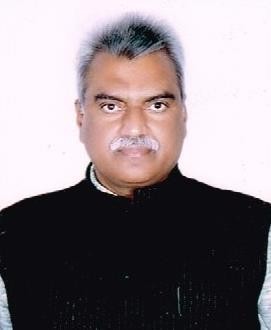






| Sr. No | Title | View | Download |
|---|---|---|---|
| 1 | Engineering Mathematics 1 Unit 1 | View | Download |
| 2 | Engineering Mathematics 1 Unit 2 | View | Download |
| 3 | Engineering Mathematics 1 Unit 3 | View | Download |
| 4 | Engineering Mathematics 1 Unit 4 | View | Download |
| 5 | Engineering Mathematics 1 Unit 5 | View | Download |
| 6 | Question Bank | View | Download |
| 7 | Linear Differential Equation | View | Download |
| 8 | Chemistry - Green Chemistry | View | Download |
| 9 | Chemistry Green Chem | View | Download |
| 10 | Chemistry Liquid Crystal | View | Download |
| 11 | Chemistry Graphite | View | Download |
| 12 | Chemistry Liquid Crystal 1 | View | Download |
| 13 | Chemistry Mot | View | Download |
| 14 | Chemistry Mot H | View | Download |